What to Do When Locked Out: A Practical Guide for Home and Business Owners
Being locked out of your home or business is stressful. Whether it happens at 2am or during a busy workday, the situation can feel overwhelming. Knowing what to do in that moment can save time, reduce damage, and get you back inside quickly. This guide walks through the practical points to check when you find yourself locked out, so you can handle the situation calmly and safely.
Stay Calm and Check the Obvious First
The first reaction is often panic, but a clear head helps you spot simple solutions. Take a breath and check all the doors and windows you normally use. Sometimes a latch has stuck, or a door has been pulled shut by a gust of wind. Walk around the property and try each entry point. For a business, check the fire exit doors that may have been propped open. If you find a window that is unlocked and low enough to reach safely, that can solve the problem without any help. But never climb through a high window or one that requires a ladder unless you are experienced and have someone to spot you. If nothing obvious works, it is time to move to the next steps.
Check for Spare Keys and Access Options
Think about any spare keys you might have. A key with a neighbour, a friend, or a family member can be the quickest way back in. If you have a key safe outside your home, check the code. For businesses, a key held by a night security service or a manager might be accessible. If none of these apply, you will need professional help. Keep a list of trusted contacts who can bring a key, and store a spare key in a secure location away from the premises so you can retrieve it without breaking in.

Assess the Locking Mechanism
Understanding what kind of lock you are dealing with helps you explain the situation to a locksmith. Most modern homes use a euro cylinder lock on the front door. These are the common cylinder-shaped locks that turn with a key. Older doors may have a mortice lock, which is a rectangular box that sits inside the door. Commercial doors often have multipoint locking systems that lock at several points along the frame. Knowing this detail can save time when you call for help. If you have a spare key but the lock is sticking, try lubricating the keyhole with a dry lubricant, not oil, which attracts dust. If the key turns but the latch does not move, the mechanism itself may need attention.
Call an Emergency Locksmith
When self-help fails, an emergency locksmith is your next move. Look for a local provider who offers 24 hour cover. A reliable locksmith will ask you for proof that you are the owner or an authorised occupant. This is a standard identity check to prevent break-ins. Have your ID and proof of address ready. Typical proofs include a driving licence, passport, or recent utility bill. If you are a tenant, you may need the landlord’s permission or a tenancy agreement. A good locksmith will also explain what they plan to do before they start, so you can approve any method they use.
Understand Non-Destructive Entry Methods
Professional locksmiths often use techniques that avoid damaging the door or frame. One common method is lock picking, which works on pin tumbler locks and requires skill and the right tools. Another is bypassing the latch by sliding a thin tool between the door and the frame. A third option is using a specialised tool to manipulate the locking mechanism from the outside. The goal is to get you back inside with no damage. This approach is called fast non destructive door entry and is the preferred method for most emergency callouts. It saves the cost of replacing the lock or repairing the door. However, it may not work on every lock, especially high-security models with drill protection or anti-pick features. In those cases, the locksmith may need to drill the cylinder.
When Drilling Becomes Necessary
If the lock cannot be picked or bypassed, drilling is the next option. The locksmith drills a small hole into the cylinder to release the locking mechanism. This destroys the cylinder but leaves the door and frame intact. After drilling, you will need a new euro cylinder or mortice lock. A good locksmith will explain that the cylinder is sacrificial and that the door itself can be repaired easily. The new lock can be fitted in the same session, so you are not left with an open door. Always ask the locksmith if they offer a warranty on the new lock and whether the callout fee covers the replacement work.

Check for Access Damage and Protect Your Property
Any method that forces entry carries some risk of access damage. Even non-destructive techniques can leave a small mark on the door edge or the frame. Before the locksmith starts, agree on the method and ask if they can minimise damage. For example, if they need to drill, they can drill from the side to avoid damaging the door face. After the job, inspect the door and lock. Check that the latch engages smoothly, that the key turns without sticking, and that the door closes properly. If you notice any damage, take photos and note it for your records. For businesses, this is especially important for insurance purposes. Keep the old lock cylinder if it is replaced, as the locksmith may want to examine it later to understand how it failed.
Prepare for Future Lockouts
Once you are back inside, think about preventing a repeat. Make a spare key and store it securely with a trusted neighbour or in a key safe. Consider upgrading to a lock with a keyless entry system, such as a keypad or fingerprint lock. For businesses, a master key system allows you to change the lock without replacing every key. Keep a list of emergency contacts, including a reliable locksmith, in your phone and on a card in your wallet. Also, check your insurance policy. Some home and business insurance policies cover the cost of an emergency locksmith callout, including lock replacement. Knowing this in advance can save you money and stress.
What to Do If You Are Locked Out of a Vehicle
If the lockout involves a car or van, the process is similar but with a few differences. First, check if you can open a window or if a passenger door is unlocked. If not, call a mobile locksmith who specialises in automotive locks. They can open a car door without damaging the seal or the glass, often using a slim jim or an air wedge. For older vehicles, the lock may be simpler to pick. For newer models with electronic locks, the locksmith may need to bypass the electronic system. Always have your vehicle registration and ID ready. Some locksmiths also offer key cutting on the spot if your key is lost, not just locked inside.
Final Checks Before You Go Back Inside
Before you settle back in, take a moment to test the repaired lock. Open and close the door several times, both from inside and outside. Check that the key inserts and turns smoothly. If the lock was drilled, make sure the new cylinder is flush with the door face and that the screw holes are covered. If you have a multipoint lock, test that all points engage and release properly. A small adjustment now can prevent a future lockout. For businesses, test the alarm system and check that the door closes completely. A misaligned door can trigger false alarms or let in drafts. If you notice any issues, call the locksmith back to adjust the fit before you leave the premises.
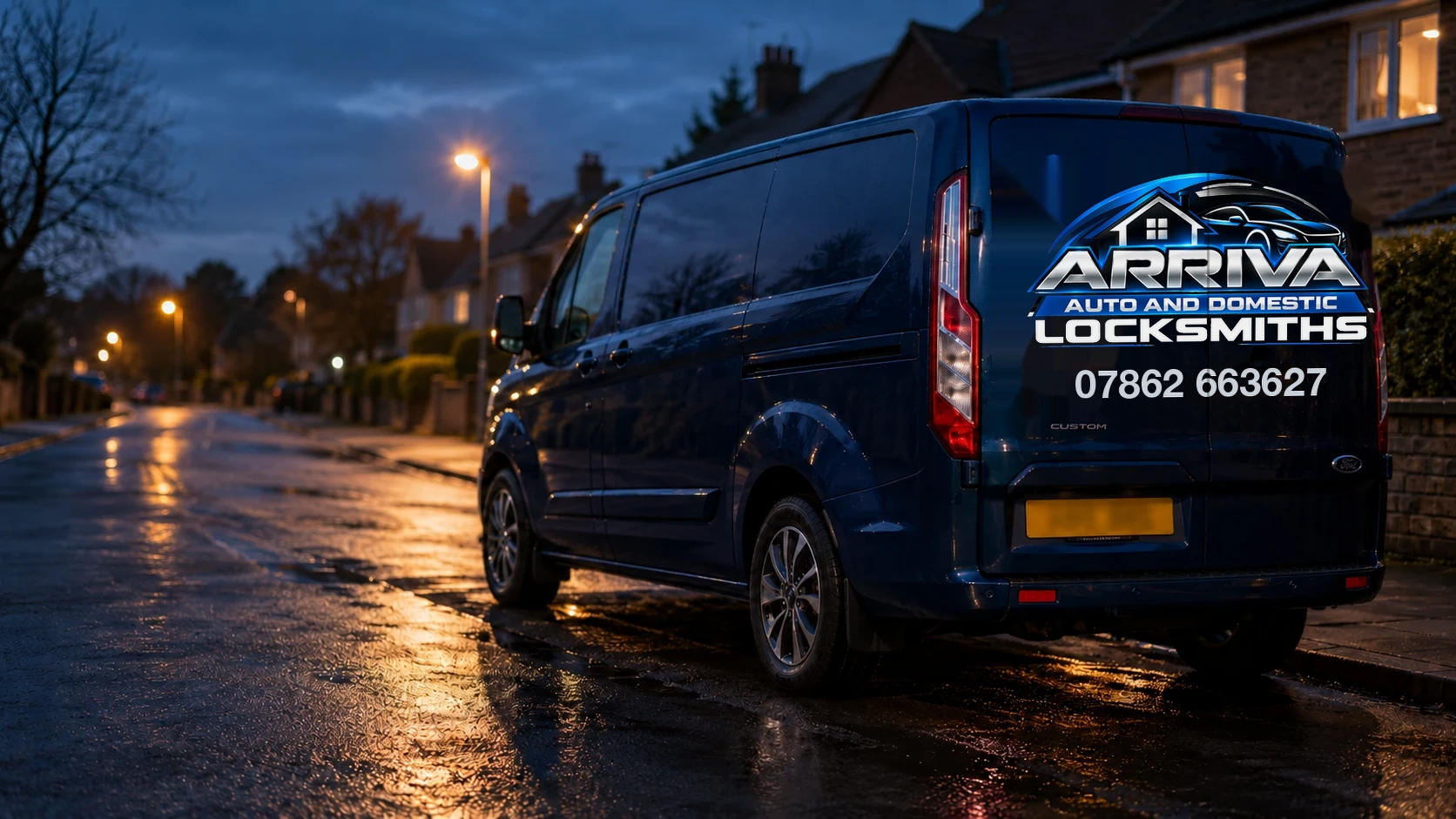
Lockouts happen, but they do not have to ruin your day. By staying calm, checking your options, and calling a professional who uses fast non destructive door entry, you can get back inside with minimal hassle and cost. A little preparation now can save you time, money, and stress the next time you find yourself on the wrong side of a locked door.